Rangbhari Ekadashi 2026: Know Correct Date, Rituals, And Religious Importance (Instagram: @piyush_yt_)
New Delhi: Rangbhari Ekadashi, which is also known as Amalaki Ekadashi, hold a special and spiritual significance in the Hindu calendar. It marks the symbolic beginning of Holi celebrations in Varanasi. It is celebrated every year on the Shukla Paksha of Phalgun month.
This year, the Rangbhari Ekadashi will be celebrated on February 27. The day is honoured to Lord Vishnu as well as Lord Shiva and Goddess Parvati.
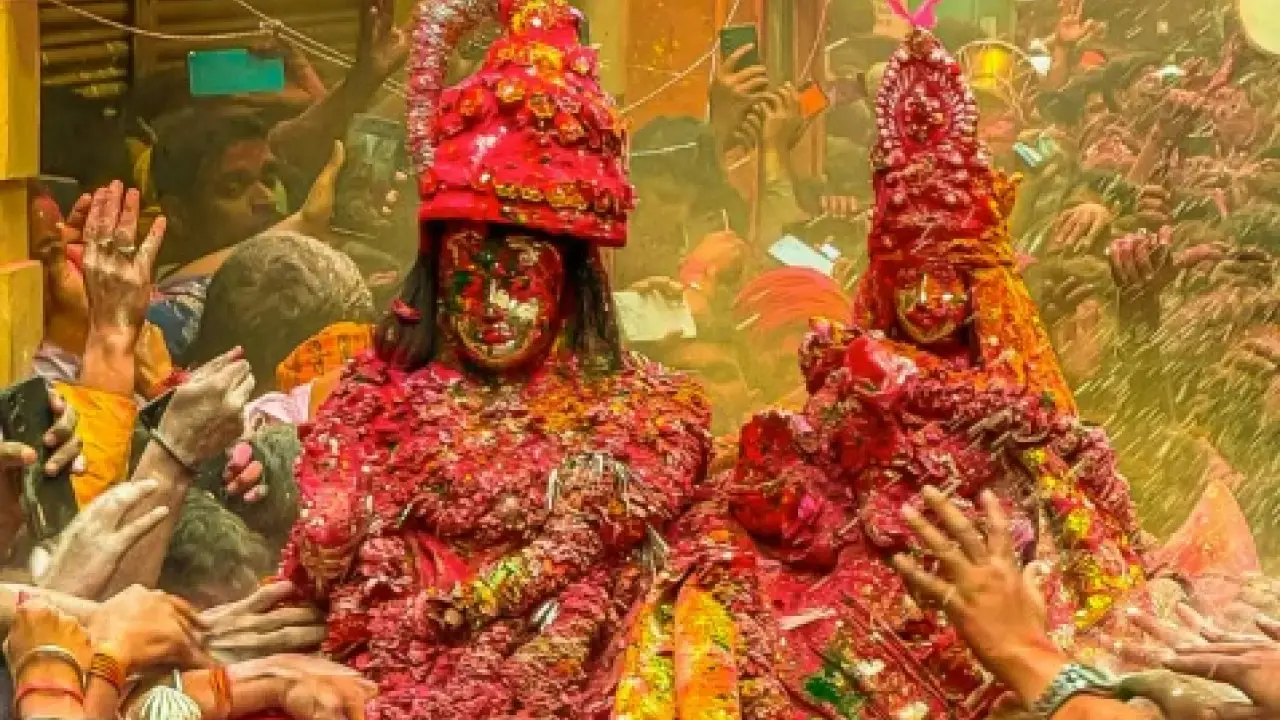
According to history, it is believed that when Lord Shiva visited Kashi after his marriage, the people gave him a grand welcome. The tradition is still followed there, where people welcome both with flowers and colours.
On Rangbhari Ekadashi, devotees offer various things to Lord Shiva and Goddess Parvati, but there are few things which is best to offer.
On Rangbhari Ekadashi is considered as a highly auspicious day. It is believed that devotees who offer colours or gulal to Lord Shiva are relieved oof their suffering and are blessed with happiness and prosperity. Offer red colour gulal to Goddess Parvati. It is believed that if a couple offers gulal to Shivaling then all the problems in their marriage will be removed.
Devotees should offer amla Lord Shiva on Rangbhari Ekadashi. It is believed that it is beneficial for health.
Bilva leaves, also known as Bel Patra, are sacred, trifoliate leaves from the bael tree, primarily used in Hindu rituals to worship Lord Shiva. It is believed that by offering 11 Bilva leaves and Shami leaves will bring blessing of Lord Shiva.
It falls during the Phalguna Shukla Paksha and holds special significance in Kashi. On this day, devotees worship the sacred amla (Indian gooseberry) tree, which is believed to be dear to Lord Vishnu.
The festival is celebrated with colourful processions, temple rituals and gulal, especially at the iconic Kashi Vishwanath Temple, marking the joyous arrival of Holi festivities





Copyright © 2026 Top Indian News